|
In 1986 Salem was on the cutting edge when city leaders implemented a six-month demolition delay ordinance. This means that when applying for a demolition permit for a building older than 50 years and owner has to wait six-months before they can demolish the building. Or they can apply for a waiver of this delay period through the Salem Historical Commission who can determine (after weighing all the factors) if the building can be torn down sooner. Theoretically this six-month time period can be used to examine preservation options for a historic building, or to develop actions that mitigate the loss of a historic building. However, in today's construction world six-months of waiting is not a sufficient incentive for an owner to work with the Salem Historical Commission on alternatives. Six months is about the same amount of time it takes to get all the other necessary approvals and so an owner can request a waiver of demolition delay and while they wait out the time clock they can visit the other boards in the city (Planning, Zoning etc) and proceed as planned. As Salem's desirability continues to rise, we anticipate an increase in “tear-down” real estate, which we are already seeing in the Willows, North Salem, and other Salem neighborhoods. Salem needs to increase the Demo Delay time period to 12 months (or even 18) and apply the requirement to partial demolition.
Strengthening the Demolition Delay Ordinance will bring clarityChanges to the demolition delay ordinance will benefit everyone.
You can read our full list of recommendations for an updated Demolition Delay Ordinance here:
You can read the City's draft ordinance here (draft as it appears on the SHC website on 4/20/2021):
You can read our letter to the Salem Historical Commission, April 20, 2021 here:
You can read our letter to the City Council, April, 22, 2021 here:
3 Comments
This letter was submitted to the SRA in advance of their April 14, 2021 meeting. You can review the submitted meeting material, including other public comments on the SRA website via this link.
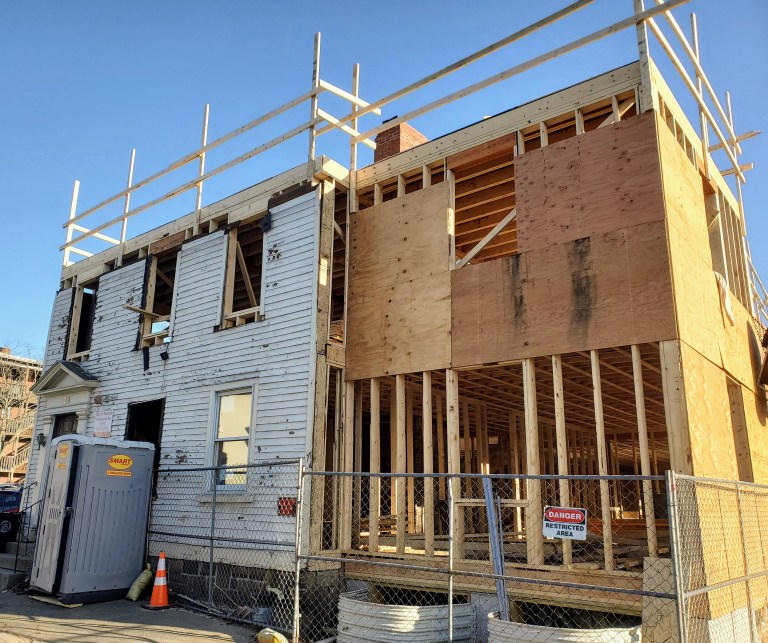
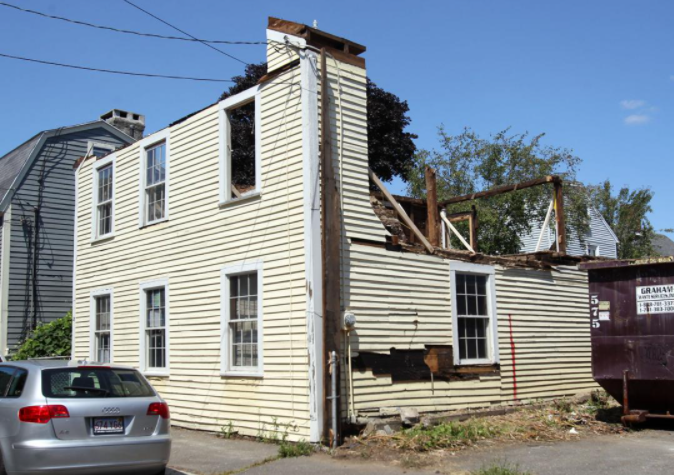
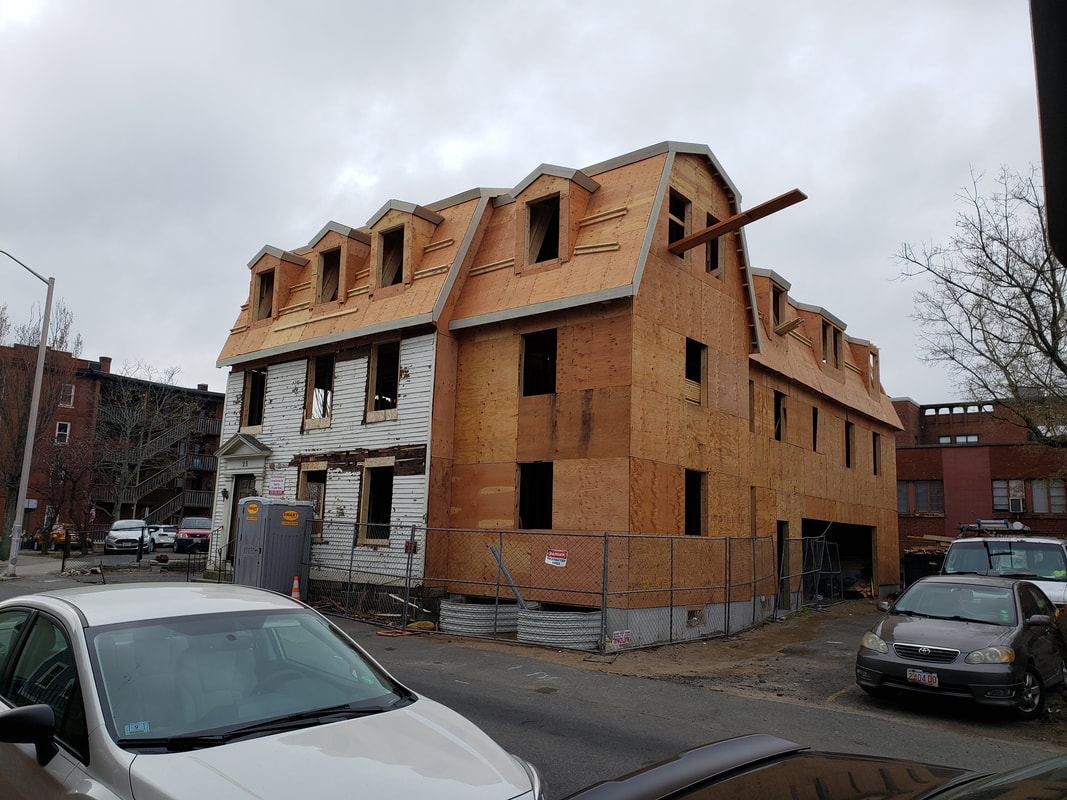
April 13, 2021 Ms. Grace Napolitano, Chair Salem Redevelopment Authority City of Salem 90 Washington Street Salem, MA 01970 Dear Ms. Napolitano, Historic Salem writes to provide comment on the proposal for 38 Norman Street on the SRA agenda for April 14, 2021. We have been in private and public conversation with the development team and appreciate their responsiveness to our feedback, specifically on the topic of design and materials. As we shared with the development team and now with the SRA, we have significant concerns about how a building of this height will impact Crombie Street, as well as how it will fit in the context of nearby historic neighborhoods. 38 Norman sits at the juncture of Crombie, Summer, and Chestnut Streets, each of which features iconic historical Salem architecture. Directly adjacent to this site is Crombie Street, a narrow way on which are located the last remaining small-scale residential houses in the downtown area. Crombie Street is listed on the National Register of Historic Places, a designation that recognizes that “as the only surviving downtown residential group from the early 19th-century, the houses on Crombie Street provide important information about the character of the city at that time.” On the other side of this project is a Georgian-period mansion that contributes to the historic streetscape of Summer Street. Crombie and Summer Streets were once part of the larger historic residential district that included both Chestnut Street and Gedney Street, but a series of destructive urban renewal demolitions on the proposed site and nearby blocks (where the Holyoke Insurance building now stands), created a rift separating these streets from one another. This project is a rare opportunity to re-connect neighborhoods that were torn apart in the 20th century and therefore the height and massing should be inspired not by the nearby urban renewal-era infills, but by the remaining historic residential buildings. Because many of these buildings, such as the Salem Inn and 2-4 Chestnut Street are quite large, their influence can allow the developer to meet their goals within the scale and massing of the surrounding neighborhood. At five stories, the proposed building would tower over adjacent Crombie Street, including its direct neighbor, the Wendt House. This house at 18 Crombie Street was saved from demolition several years ago through the joint efforts of Historic Salem and the City of Salem. We strongly oppose allowing this height. An important SRA goal is to ensure that the designs of new downtown structures fit with the context of Salem’s remaining irreplaceable and highly respected historic architecture (Plan goals 2, 3 and 4). In order to reduce the height of the building and increase ameliorative step-backs on the ends, we also ask the developer to consider whether the building could be fully residential. Retail at this location is not clearly necessary to meet Plan goals and without easily available on-street parking it may be difficult for tenants to succeed. On the other hand, residential on the ground floor would strengthen the residential link to the past and reinforce the connection between Summer and Crombie Streets. If retail were removed then, rather than seeking PUD approval, the applicant could seek a variance on the parking requirement that the SRA, and perhaps other community members, could support. The overall massing and height of the building, the way it steps back at the ends and the uses in the building need to be addressed before the project is sent to the Design Review Board. At that point HSI will have further comments on design specifics, such as architectural treatment at the ground floor and execution of design elements. We appreciate the efforts of the SRA to review these projects according to the Downtown Renewal Plan and in the context of our historic urban core. We thank the developer for their outreach to us and other community members. We look forward to seeing how this property can become a cohesive part of this historic neighborhood. Sincerely Caroline Watson-Felt, HSI Board President With new construction projects proposed throughout the historic downtown and our ongoing efforts to expand historic protections to all Salem neighborhoods, the work we’re doing at HSI often outpaces our communications to the community. 2021 has been “all hands on deck” to collaborate with our volunteers, neighborhood representatives, developers, and City officials. Of the numerous projects underway simultaneously, there is one active project which demonstrates the imperative need for two initiatives we have been working on this year: “A Citizens’ Guide to the Downtown Renewal Plan” and an expanded Demolition Delay Ordinance. We’ll be talking more about these efforts in the coming weeks but today, let’s talk about the James Barr House at 25 Lynde Street. The home of a privateer, the James Barr House at 25 Lynde Street, is a very rare example of a pre-revolutionary building surviving in the downtown. As part of this project, the roof has been completely replaced as has much of the original historic material. The Barr House is one of many historic buildings that falls under preservation protections, not by a Local Historic District, but by the Salem Redevelopment Authority (SRA). The SRA has many-fold responsibilities - ultimately they review and approve all design and development changes in the downtown urban core. In cases where this includes new construction, the Plan says that they are to be guided by the design guidelines found in the Downtown Renewal Plan, and in the case of historic buildings the Plan says that they are to be guided by the Secretary of the Interior Standards for Historic Preservation, the same standards applied in the Local Historic Districts. Essentially the SRA acts in the place of the Salem Historical Commission for buildings within its boundaries and has similar powers to restrict demolitions and inappropriate construction. The question citizens need to ask is, is our SRA meeting the preservation standards and expectations set in the Downtown Renewal Plan?
Historic Salem has created the “Citizen’s Guide for the Downtown Renewal Plan” with the hope that this summary document will make it easier for community members to advocate for the historic buildings that are within the downtown urban area. HSI's ability to effect change is purely through advocacy and relationships, just like Salem’s citizens. Community engagement and advocacy is necessary to effect SRA to advocate for more stringent reviews and approvals for the historic buildings in their jurisdiction. A recently created abutter notification requirement will help let neighbors know about project reviews. As part of our advocacy work, we rely on the concerned public to let us know if you learn of any similar projects. In addition, the significant demolition of the Barr House is an example of why we need to strengthen the CIty’s current Demolition Delay Ordinance. Right now, a Demolition Delay is only triggered at 100% and so developers are able to retain a very small portion of the building and claim the work to be a renovation. We believe, in the case of the Barr House, that an expanded demolition delay ordinance which redefines the threshold of demolition to removal of over 50% of the exterior of a building, and an extension of the wait period from 6 months to 12+ months, would have allowed for closer oversight of the changes and design to this historic property. (We have a more comprehensive outline of what we’d like to see in an updated ordinance HERE in a downloadable file). Among other benefits, strengthening these two specific aspects of the Ordinance would allow for intervention by the Salem Historical Commission before an historic building has lost so much of its original material and appearance as to essentially have been demolished. We are working with City Councillors and City offices on this effort, and hope to see a revised Demolition Ordinance filed with the City Council this month. Ultimately, the efforts to protect and save the historic infrastructure of Salem are shared by all of us who live and work in Salem and believe in the preservation of this city’s historic fabric. We welcome the enthusiastic support from the citizens of Salem and hope that more voices will be added to the conversation in effective and productive ways by use of the “Citizen’s Guide to the Downtown Renewal Plan” and as the Council considers the Demolition Delay Ordinance. To read more about the history of the Barr House, we suggest you read Streets of Salem’s recent post. We are so grateful to have local historians and preservation enthusiasts like Donna Segar for bringing attention to these important places. |
|||||||||



|
|
Historic Salem, Inc. | 9 North Street, Salem, MA 01970 | (978) 745-0799 | [email protected]
Founded in 1944, Historic Salem Inc. is dedicated to the preservation of historic buildings and sites. Copyright 2019 Historic Salem, Inc. - All Rights Reserved
|