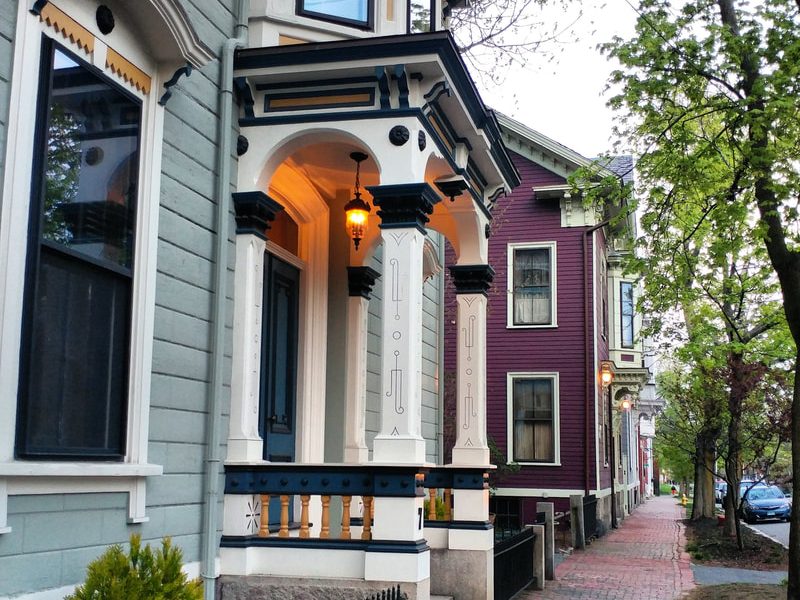
In Salem we value our historic buildings and unique neighborhoods. These living artifacts of our shared history provide a link to the centuries of families that came before us. Many were built in an era that required walkability and natural methods of weather protection. They were built with old-growth trees and locally mined materials and with craftsmanship that is now either expensive to recreate or forgotten.
These neighborhoods are part of what makes Salem so desirable — but that desirability can also bring pressure for new development. Protecting historic resources ensures that change in our city respects the past while supporting a vibrant future, and the tools and programs described below give residents and city officials the means to safeguard our architectural heritage while ensuring our treasured streetscapes continue to thrive.
WHAT IS A HISTORIC DISTRICT?
In Salem, every weathered brick and hand-planed clapboard is part of a larger story — a city shaped by shipbuilders, artisans, and activists across four centuries. Today, preservation ordinances, historic districts, and engaged neighbors work together to ensure that these places remain vital parts of our community, not just remnants of the past.
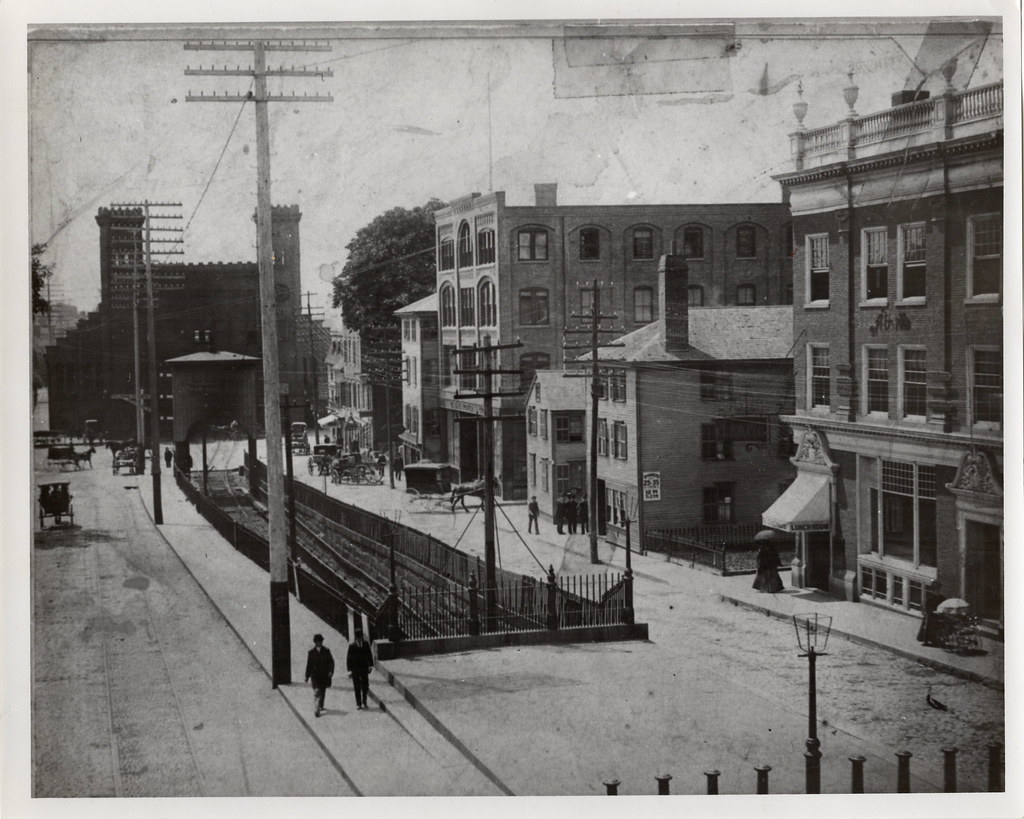
What’s the difference between a Historic District, a Local Historic District, and a National Register District?
Historic District
A Historic District is an area with a concentration of historic buildings, streetscapes, or sites that share a common story. These districts can be recognized at the federal, state, or local level; the extent of protection varies.
Local Historic District
A Local Historic District is created by the City of Salem under state law and offers the strongest protections. In a Local Historic District, any proposed exterior changes visible from a public way are reviewed by the Salem Historical Commission (SHC) to ensure they respect the area’s historic character. Learn more about Local Historic Districts.
National Register Historic District
A National Register Historic District is a federal designation recognizing neighborhoods, buildings, and sites for their significance in American history, architecture, or culture. In Salem, there are 12 such districts. While this designation is honorary and can make income-producing properties eligible for grants or tax incentives, it does not restrict private owners from altering their properties unless state or federal funding is involved. HSI encourages residents proud of their neighborhood to pursue a National Register Historic District nomination and we are happy to assist in this effort. View a map of Salem’s National Register Historic Districts
Salem Downtown Urban Renewal Area
The Salem Downtown Urban Renewal Area was created in the early 1960s to focus on revitalization efforts to address declining commerce. Goals included creating a vibrant center with new housing, improved public spaces, and preserving historic buildings. While not an official historic district, today, development activity in this zone is managed by the Salem Redevelopment Authority (SRA) part of the Planning and Community Development Department in consultation with the Design Review Board. Learn about the Downtown Renewal Plan.
SALEM’S LOCAL HISTORIC DISTRICT MAPS
PRESERVATION TOOLS
At its fundamental level, preservation protects architectural and historical assets for future generations and provides a tangible link to our past. Every building in Salem is regulated in some way by existing city ordinances.
In 2015, the City of Salem updated its Preservation Plan, which evaluates each neighborhood and outlines potential next steps for protecting historic resources. This plan, along with the City’s Preserving Salem website, offers residents practical tools to understand what makes their neighborhood significant and what preservation strategies might fit best.
CITIZEN’S GUIDE TO THE DOWNTOWN RENEWAL PLAN
The City of Salem’s Downtown Renewal Plan establishes a baseline criteria for reviewing preservation or new construction proposals within Salem’s downtown historic district (view map).
Today, downtown Salem is booming with both renovation and new construction, and these projects directly affect our quality of life. To help residents understand who oversees these changes, how decisions are made, and how to engage effectively, HSI created a Citizen’s Guide. It condenses the City’s 189-page document into a practical, easy-to-use reference. Whether you’re following along in a meeting or preparing comments for public review, this guide makes the process clearer and empowers Salem citizens to have their voices heard.
BENEFITS OF PRESERVATION PROTECTIONS
What are the benefits of preservation protections?
At its fundamental level, preservation protects architectural and historical assets for future generations and provides a tangible link to our past. It is also a tool for strengthening American communities and has been used to achieve a wide range of public goals including:
Affordable Housing | Sustainable Development | Neighborhood Stabilization | Job Creation | Promoting Arts and Culture | Heritage Tourism | Economic Development
Preservation of our historic neighborhoods is a key element in continuing the success of Salem as an appealing place to live.
Investment Protection
Regulations that protect buildings and neighborhoods are beneficial for homeowners and the community as a whole because these districts provide a sense of certainty about future development. The result is a stabilization of property values and protection of investments by ensuring that adjacent properties are cared for at a similar level and that any change maintains or improves the buildings.
Sustainability
Historic districts encourage communities to retain and use their existing resources in established neighborhoods. Reuse of buildings eliminates landfill waste and takes advantage of existing, walkable neighborhoods. Further, many older buildings were designed with energy conservation in mind, taking advantage of natural light, cross-ventilation, and climate-appropriate materials.
Social Benefits
The process of establishing historic protections creates intangible benefits including strengthening neighborhood identity, encouraging social cohesion and creation of social capital. These benefits can not be quantified, yet they are an invaluable asset in community building.
The National Trust has a great list of the benefits of a Local Historic District. Read here.
SALEM USES SEVERAL TOOLS TO PROTECT ITS HISTORIC BUILDINGS AND NEIGHBORHOODS
Local Historic Districts (LHDs)- Provide design review and legal protection for buildings within designated boundaries.
A Local Historic District (LHD) is a defined area or group of historic structures deemed significant to the city’s cultural fabric that are protected by public review. This can include downtown commercial areas, main streets, waterfront or residential districts. (1). These districts offer the strongest form of protection and require city approval for any alterations made to exterior architectural features on buildings within the district that are visible from a public way.
These districts were first established in Massachusetts in 1955, and today there are over 200 in the state. Cities are empowered to create LHDs under MA General Law Chapter 40C. Salem’s LHDs were established in the 1980s, with no new districts added since, but they only protect 600 of Salem’s 4,000 historic buildings. Expansion or establishment of new districts is suggested in the City’s Preservation Plan (2015) with many neighborhoods identified that could benefit from some further level of protection.
The Salem Historical Commission (SHC), a volunteer board of Salem residents appointed by the mayor, reviews applications for work being done on properties in Salem’s four LHDs. SHC members strive to be supportive and provide expert advice on the projects they review. They also maintain an inventory of historic resources and publish the Salem Historical Commission Guidelines Notebook.
What is involved in establishing a new district (or expanded boundaries?)
The official start of the process involves forming a study committee through the Salem Historical Commission and in concert with the city council. This committee will commission a report on the architectural and historical significance of the buildings to be included in the district. This report will be reviewed by the Planning Board and by the Massachusetts Historical Commission (MHC), who can consult with other city planning officials and provide comment. A public hearing will be held, with notification to all property owners in the proposed boundaries. Once final, the report will be submitted to the City Council and will need to be approved by a two-thirds majority vote.
MHC has a useful and thorough document that describes the process. Read it here.
Demolition Delay Ordinance (DDO)- Creates a review period before demolition of older buildings, giving time to explore preservation alternatives.
A demolition delay, or waiting period, is meant to discourage rushed or thoughtless demolition and encourage the examination of preservation options for an historic building. In Salem, this applies to all buildings, regardless of zone, that are older than 50 years.
Salem adopted its first Demolition Delay Ordinance (DDO) in 1986. In 2021, Salem updated its DDO to require a 12-month delay before demolishing buildings 50–99 years old and an 18-month delay for those over 100 years. The delay can be waived by the Salem Historical Commission who would determine–after weighing all the factors–if the building can be torn down sooner.
Neighborhood Preservation Districts (NPD)- Offer tailored protections for neighborhoods not covered by a Local Historic District (LHD).
Neighborhood Preservation Districts (NPD) can be established in areas where residents want to protect the character of a neighborhood. The district is generally made up of buildings with common physical characteristics that define the neighborhood’s character.
During establishment of an NPD and as regulations are being drafted, residents and property owners are consulted to determine which defining elements should be protected. This will vary among different neighborhoods and could include review of new construction, additions, demolition, or selected major alterations. It could also define what is not included for instance review of paint colors, siding type, or windows.
NPDs were studied in Salem in 2009 and a draft ordinance was written, however, no NPDs currently exist. To establish an NPD, the study recommendations would need to be updated and adopted into city ordinance.
HOW CAN I PROTECT MY NEIGHBORHOOD?
HSI and the City of Salem can be strong partners in creating preservation tools — such as expanding or establishing Local Historic Districts (LHDs). But every effort begins with interest from residents. If you and your neighbors want to explore stronger protections, we can help guide the conversation: What areas might be included? Would extending an existing district or creating a new one be more effective? How would this impact your neighborhood’s character?
Together with the City of Salem and the Massachusetts Historical Commission, we can work with you to chart the best path forward. Contact HSI to start a conversation about protecting your neighborhood.
WHAT IF I LIVE IN A LOCAL HISTORIC DISTRICT (LHD)?
For homeowners already in a Local Historic District, the Salem Historical Commission Design Guidelines provide clear, practical standards for maintaining and adapting historic homes. These guidelines ensure that changes respect the city’s architectural fabric while supporting vibrant, livable neighborhoods. If you’re considering work on your historic property, first consult with the City of Salem’s Preservation Planner to ensure compliance.